
Environmental group's mobile app helps connect public with endangered species
PHOENIX – Wakeboarders carving through lakes along the Colorado River may not realize they're in the domain of the endangered razorback sucker, a native fish whose population has been decimated by loss of habitat and non–native predators.
Homeowners and off–highway vehicle riders in the high desert of Pima and Santa Cruz counties may be surprised to learn they're in the shrinking habitat of the tiny and endangered Pima pineapple cactus.
The Tucson–based Center for Biological Diversity is using mobile technology, including geolocation, to help people learn which of the nation's more than 1,300 threatened and endangered species are nearby – and how to act accordingly. Several dozen of those plants and animals native to Arizona are part of the Species Finder application launched recently for Android smartphones.
"We want to make sure that wildlife protection and extinction issues are reaching young people especially," said Peter Galvin, the environmental group's conservation director and co-founder.
The free app lists endangered species by county and includes photos, the date when a species was listed as endangered or threatened and links to additional information.
One of four apps the center has released to educate people about conservation, Species Finder also offers access to a popular wildlife ring tone function – a Mexican gray wolf howl can alert you to calls, for example – that has been downloaded nearly 500,000 times since 2006.
In addition to helping people on road trips and family vacations, Galvin said the group hopes to reach those those who aren't generally aware about endangered species.
"(We want to) make sure that we can reach new people but have the resources out there for people that are interested in this," Galvin said. "As data gets better and better, we hope to refine the app."
Phil Rosen, a research scientist for the University of Arizona's School of Natural Resources and the Environment, said the app could help get people interested in endangered species by extending their access to information.
"It's not entirely on people's radar," Rosen said. "It's not something that people seem to really clearly understand."
Sally Stefferud, a retired U.S. Fish and Wildlife Service biologist who conducts contract work for environmental agencies and private groups including the Center for Biological Diversity, said the app is a big step forward even if it informs just a few people who aren't up on conservation issues.
"We've got a big misunderstanding among a large portion of the public as to what is at risk," Stefferud said.

Brittny Goodsell

Brandon Quester
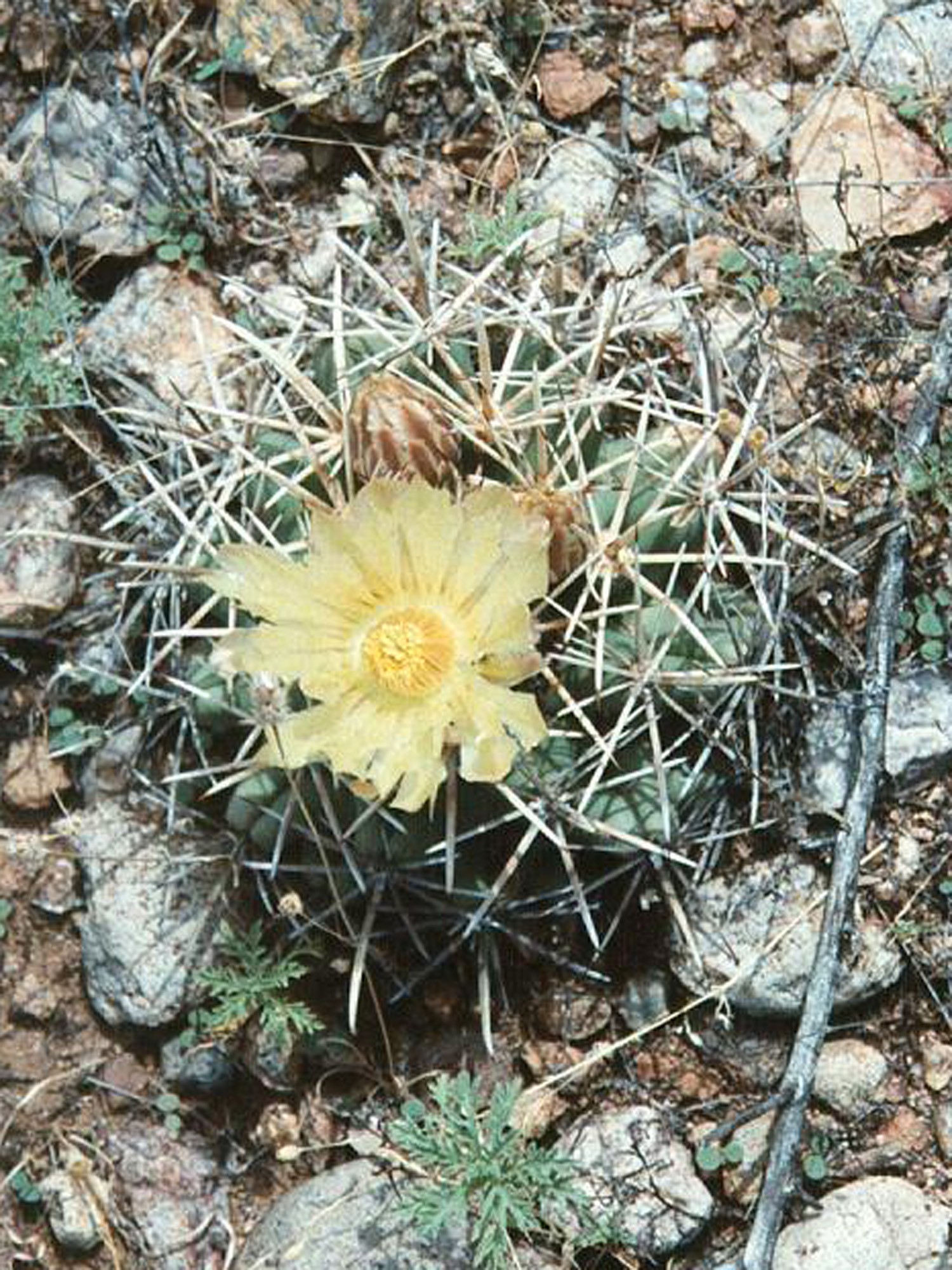
Tom Newman, U.S. Fish and Wildlife Service

J.N. Stuart, Flickr Creative Common License.