
Cronkite News has moved to a new home at cronkitenews.azpbs.org. Use this site to search archives from 2011 to May 2015. You can search the new site for current stories.
Parks get middling scores in national ranking, officials cite budget woes


WASHINGTON – Arizona’s municipal parks ranked no better than 16th on a list of the 40 largest cities in the country, a ranking that local officials grudgingly accepted.
Park officials in Phoenix, Mesa and Tucson acknowledged there are areas where they can do better, but also said their scores on the ParkScore Project were likely depressed by recent budget woes. Finances touched on everything from projects that had to be shelved to their ability to water the grass and keep the parks green.
“They didn’t take into consideration the downturn of the economy. Current programs had to be put on hold for us until the economy gets better,” said Lily King-Cisneros, a spokeswoman for Mesa Parks and Recreation.
Mesa tied for 36th place on the list, which was produced by the Trust for Public Land’s Center for City Park Excellence. Phoenix shared the 16th spot with two other cities and Tucson was tied for 31st.
The report analyzed median park size, the number of parks in a city, the number of playgrounds and the amount spent per resident, and the percentage of the population living within a 10-minute walk of a park.
Phoenix Parks and Recreation officials were not surprised by the rankings, but a spokesman said the comparison probably was skewed by the city’s desert preserves. That added to the department’s acreage score, but as non-traditional parks they detracted from other aspects of the score.
“We have pristine Sonoran Desert that’s set aside for hiking, recreation and appreciation, but you’re not going to have a playground in the desert,” the spokesman, David Urbinato, said.
He said the city has become more focused on improving existing parks instead of building new ones, because of budget constraints.
Mesa is also looking at improvements, King-Cisneros said. Her department currently has several programs and improvement projects in the planning stages, and is wrapping up a month of town hall-style meetings to get public feedback before it begins to implement them.
Tucson Parks and Recreation Director Fred Gray said he is not surprised by his department’s rank, and will use the report as a resource for future planning.
“The most glaring deficiency is parkland in general,” he said. “But we’ve identified a list of needs we’ll try to secure funding for in the future.”
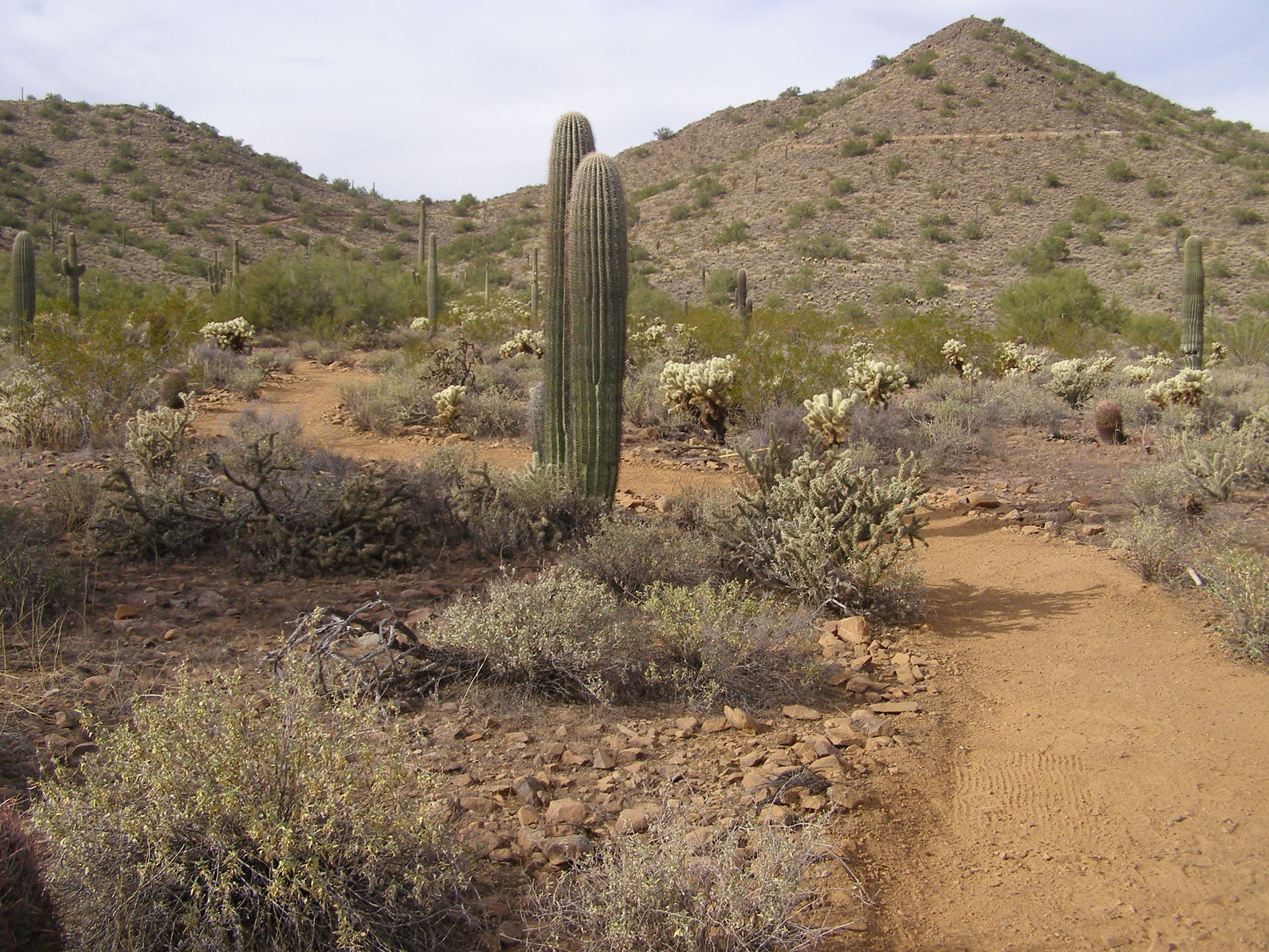
Phoenix parks officials say parkland like this is important, but may not have worked in their favor in a national listing of municipal parks.
Photo by Phoenix Parks and Recreation Department

Municipal parks in Arizona, which are unlike many elsewhere in the nation, got middling scores at best from a national ranking of parks in the nation's largest cities.
Photo by Phoenix Parks and Recreation Department
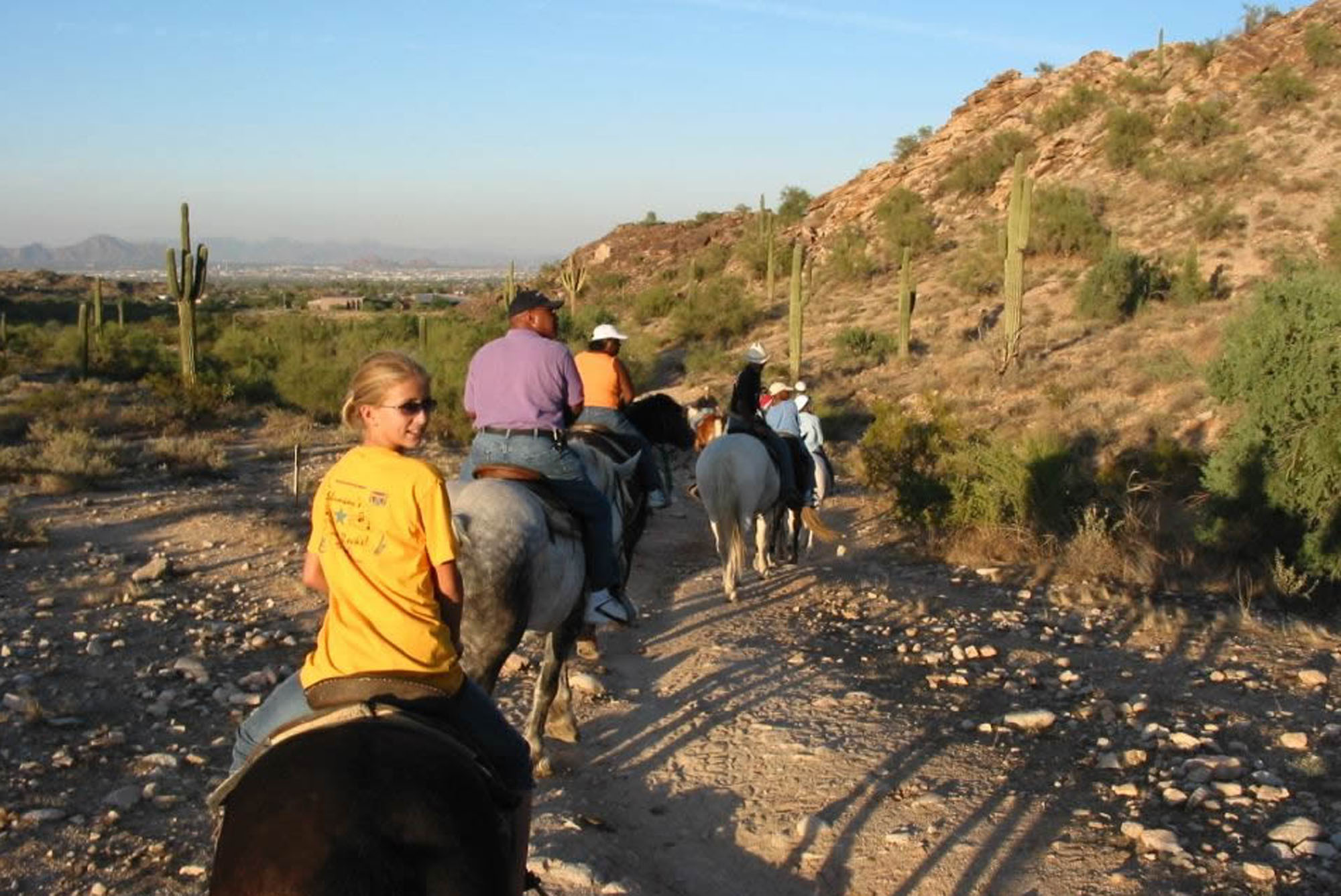
Arizona officials believe the state's recent budget woes may have hurt their standing in a new ranking of municipal parks in the nation's 40 largest cities.
Photo by Phoenix Parks and Recreation Department

 |
 |
 RSS |
 Contact |
|
OTHER ARIZONA NEWS SOURCES |
||||
| Phoenix Newspapers | TV News | Arizona Politics on the Air | AZ News: National Outlets | Other State News |
|
Arizona Capitol Times Arizona Republic East Valley Tribune Independent Newspapers Phoenix Business Journal Phoenix New Times |
3TV CBS 5 FOX 10 12 News ABC15 |
KJZZ Horizon (Eight) Newsmaker Sunday (FOX10) Politics Unplugged (3TV) Sunday Square Off (12News) |
FOX News NBC News New York Times NPR Politico |
Arizona Daily Star (Tucson) Daily Courier (Prescott) Daily Sun (Flagstaff) KTAR (Phoenix) The Sun (Yuma) |
WALTER CRONKITE SCHOOL OF JOURNALISM AND MASS COMMUNICATION AT ARIZONA STATE UNIVERSITY 